How to Clean Any Type of Floor.
Keeping your floors looking brand new can sometimes feel like a moving target. What leaves your sparkling porcelain tile streak-free might completely ruin a natural hardwood floor, and the viral cleaning hack you saw online could easily warp your budget-friendly laminate. With so many modern flooring materials available today, taking a one-size-fits-all approach to floor care usually leads to dull finishes, sticky buildup, or permanent moisture damage. That’s why you need The Ultimate Floor Care Guide!
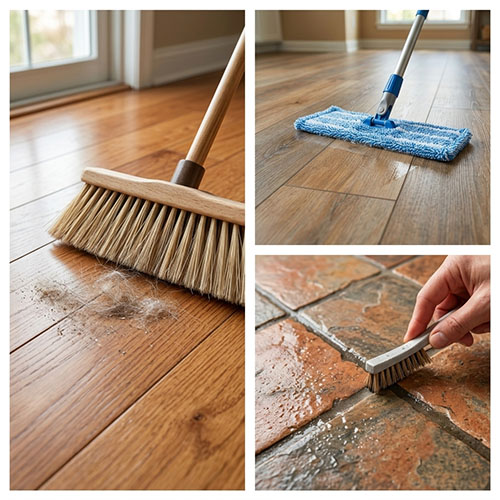
Understanding how to care for your specific flooring material is the secret to extending its lifespan and keeping your home fresh. Whether you’re dealing with waterproof Luxury Vinyl Plank (LVP), delicate natural wood, high-traffic tile, or budget-friendly laminate, small tweaks in your routine can make a massive difference. Here is everything you need to know about cleaning every floor type in your home safely and effectively.
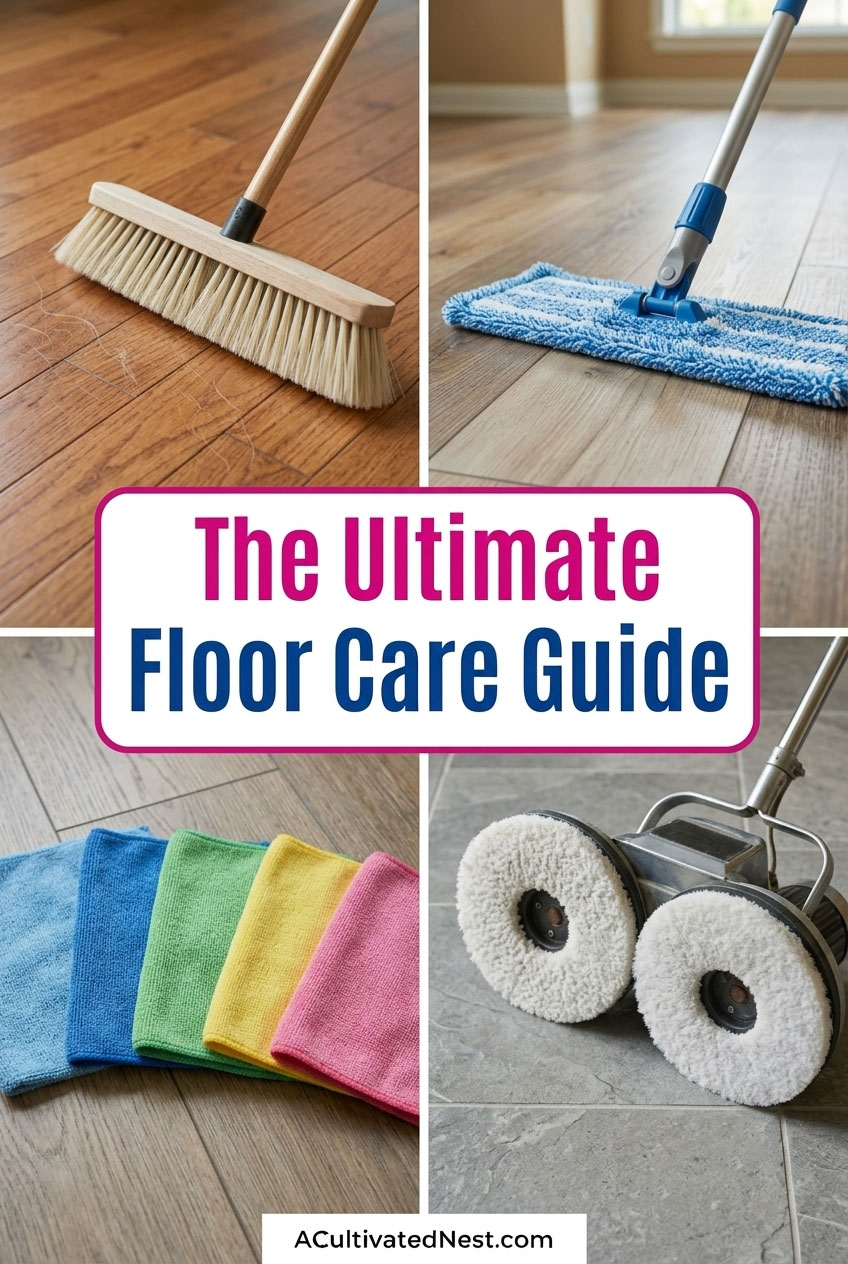
The Ultimate Floor Care Guide: How to Clean Laminate, LVP, Tile, & Hardwood Without Damage
Here are some universal rules for safer floor cleaning:
-
Ditch the Excess Water: Water is the enemy of almost all floating and wood floors; always use a damp mop that is wrung out almost completely dry rather than a soaking wet one.
-
Vacuum Before You Mop: Always sweep or vacuum up loose grit and dirt first, as fine particles act like sandpaper under a mop head and can scratch protective top coatings.
-
Avoid Wax on Sealed/Floating Floors: Never use floor wax or shine-restoring polishes on laminate, LVP, or polyurethane-sealed hardwood. It creates a cloudy, sticky film that attracts dirt.
-
Test New Cleaners First: Always spot-test a new cleaning solution in an inconspicuous corner or closet before applying it across the whole room. The problem with viral DIY cleaners and cleaning hacks that you find online is that that “budget-friendly hack” could wind up causing serious, expensive damage to your floor (especially hardwood). Rather than risking ruining huge areas of your flooring, spot test in an area that you can hide first.
1. Luxury Vinyl Plank (LVP) & Vinyl Sheet
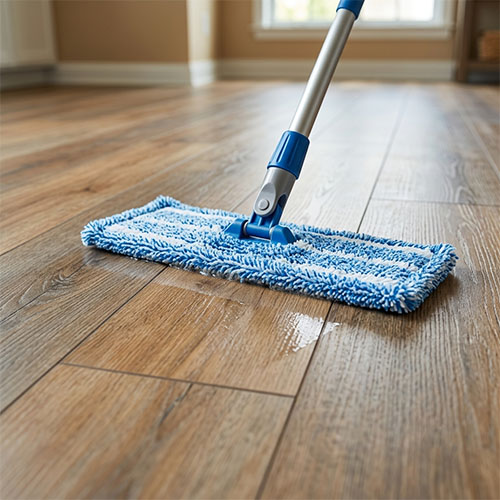
LVP is wildly popular for its durability and water resistance, but it still requires gentle care to protect its clear wear layer.
-
How to Clean: Microfiber mops are your best friend here. Use a mild, pH-neutral floor cleaner diluted in warm water, or a simple drop of dish soap in a spray bottle. I like to use Bona Hard-Surface Floor Cleaner (the multi-surface version for stone, tile, laminate and vinyl floors).
-
What to Avoid: Skip harsh scrubbers, ammonia, and mop-and-shine products, which strip the protective layer and leave a hazy residue. Steam mops should also be avoided, as intense heat can compromise the glue and plank layers over time.
2. Laminate Flooring
Laminate offers the beautiful look of wood, but its fiberboard core makes it extremely sensitive to moisture along the seams.
-
How to Clean: Dry sweeping or dust mopping should be your primary routine. For deeper cleans, mist a microfiber pad lightly with a mixture of equal parts rubbing alcohol, white vinegar, and water (or a dedicated laminate spray cleaner) so the floor dries almost instantly.
-
What to Avoid: Standing water is laminate’s worst nightmare! Never use traditional wet string mops or steam cleaners, as moisture will seep into the seams and cause the edges to swell and buckle permanently.
3. Natural Hardwood (Sealed)
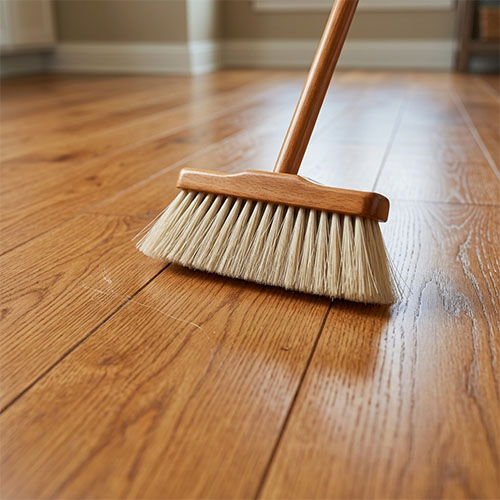
Real hardwood adds timeless warmth to a home, but preserving the protective polyurethane seal requires gentle, low-moisture care.
-
How to Clean: Sweep daily with a soft-bristle broom or vacuum using a dedicated floor-brush attachment (turn off the rotating beater bar!). Clean weekly with a well-wrung microfiber mop and a specialized hardwood cleaner formulated to preserve the clear coat.
-
What to Avoid: Vinegar and acidic DIY cleaners can break down the polyurethane finish over time, dulling the floor. Avoid steam mops, wet swiffer-style pads that leave excess liquid, and harsh chemical bleach.
4. Ceramic & Porcelain Tile
Tile is one of the most durable surfaces in the home, but keeping the grout lines clean requires a little extra targeted strategy.
-
How to Clean: Tile can handle warm water and mild detergent or an all-purpose floor cleaner easily. A steam mop works wonderfully on sealed tile to sanitize without chemicals. For dirty grout lines, brush with a paste of baking soda and water, then spray lightly with vinegar before wiping clean.
-
What to Avoid: Avoid using oil-based soaps or wax-based cleaners on glazed tile, as they create a slippery, hazardous film. Avoid abrasive steel wool on high-gloss tiles to prevent micro-scratching.
Disclosure: This post may contain affiliate links to Amazon and/or Etsy, which means that I may earn a small commission from some of the links in this post. Please see our Disclosure Page for more information.
What tips and tricks have helped you the most with your home’s floors?
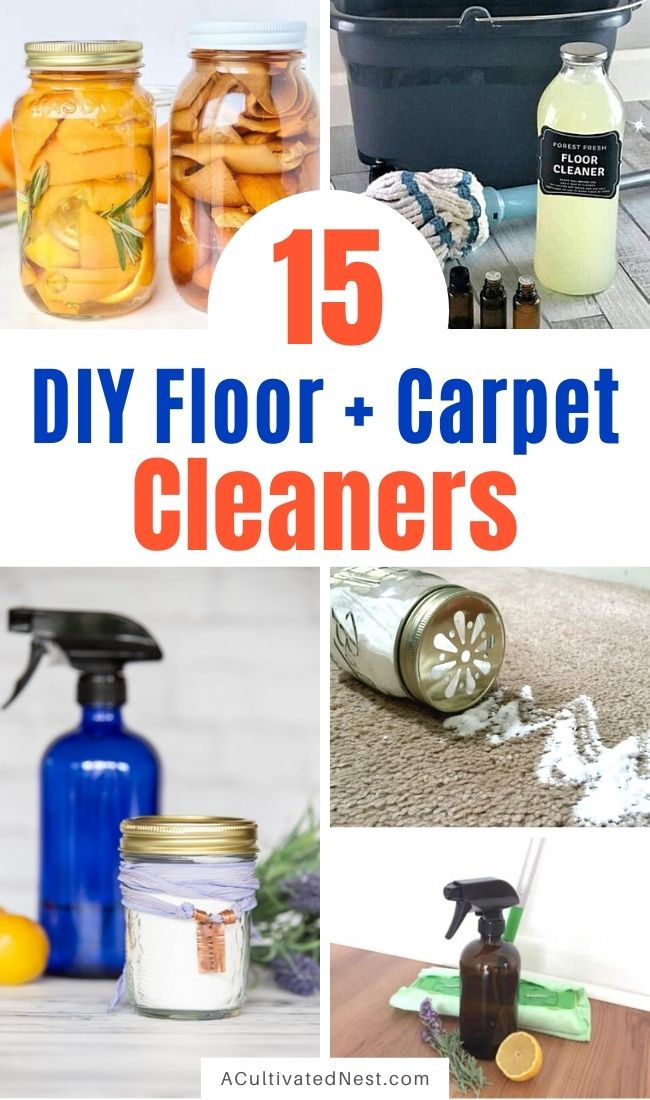
You might also be interested in: 15 DIY Floor Cleaners and DIY Carpet Cleaners