How to Save Money on Heat this Fall and Winter.
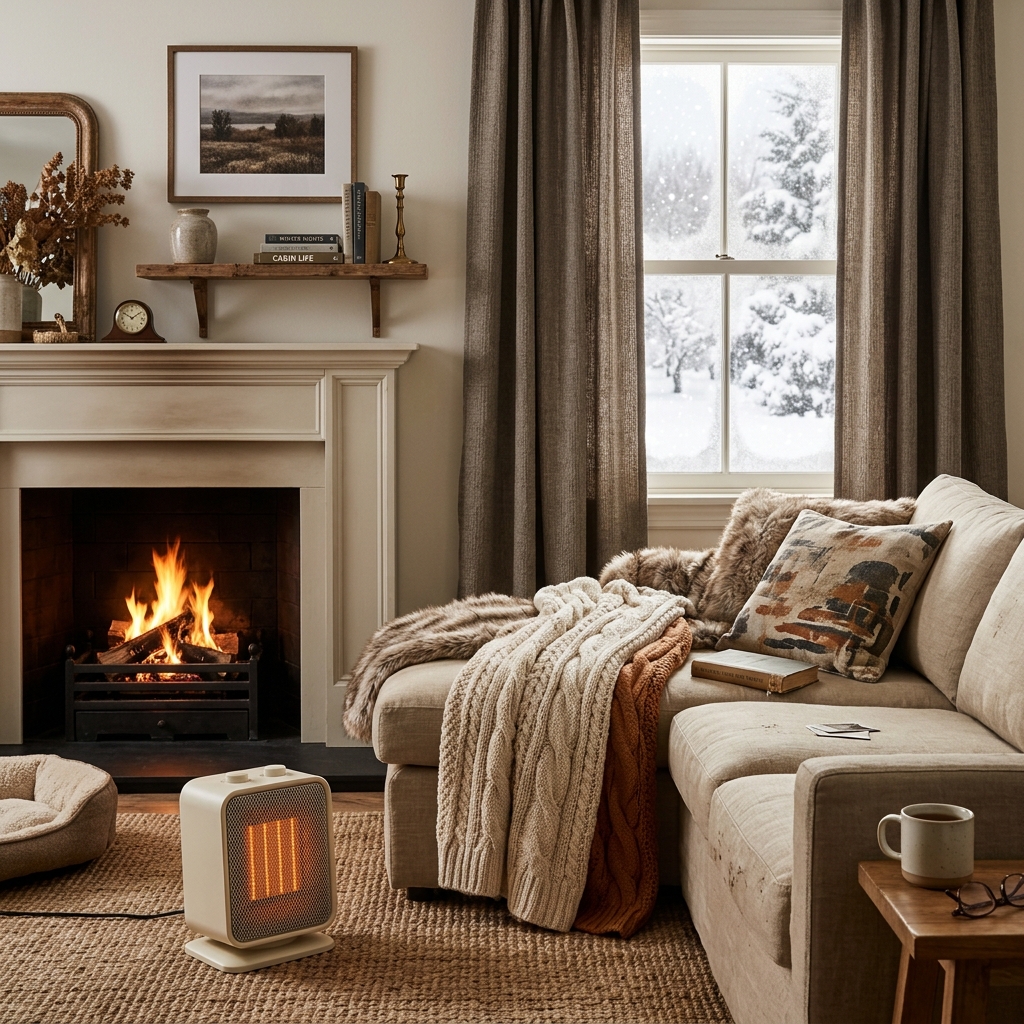
As temperature drops bring higher energy bills, keeping your home warm without overspending becomes a top priority. Preparing your living space for the colder months doesn’t require a HVAC overhaul or expensive gadgets. Small, deliberate tweaks to your daily routine and home setup can lead to substantial savings. Here are some Frugal Ways to Save on Heat During Cold Months!
Disclosure: This post may contain affiliate links to Amazon and/or Etsy, which means that I may earn a small commission from some of the links in this post. Please see our Disclosure Page for more information.
The key to lowering winter utility bills is combining quick efficiency fixes with smart thermal control. By focusing on retaining heat and optimizing your existing setup, you keep your living spaces comfortable while easing the strain on your utilities budget.
Frugal Ways to Save on Heat During Cold Months
These practical, straightforward strategies will help you lower heating costs, conserve energy, and keep your home cozy all season long! Here are some quick tips:
- Lower your thermostat slightly. Dropping the target temperature by 7 to 10 degrees for 8 hours a day (such as while sleeping or away at work) can save up to 10% a year on heating bills.
- Harness natural sunlight. Open curtains and blinds on south-facing windows during sunny winter days to let the sun warm your space naturally, then close them at dusk to trap the heat inside.
- Block drafty doors and windows. Use thermal snake draft stoppers at the base of exterior doors and apply temporary weatherstripping tape around leaky window frames to prevent warm air from escaping. You can easily make your own DIY draft stoppers.
- Reverse ceiling fan rotation. Set ceiling fans to run clockwise at their lowest speed to push warm air (which naturally rises) back down into the living area.
- Bleed air from radiators or change furnace filters. Keep heating systems running at peak efficiency by replacing HVAC filters monthly during heavy use or bleeding trapped air from hot water radiators.
- Seal around outlets and switches. Cold air often leaks in through electrical outlets on exterior walls; installing inexpensive foam gaskets behind wall plates seals out hidden drafts.
- Keep vents and registers clear. Ensure furniture, rugs, and drapes are not blocking air returns or heating vents so warm air can circulate freely throughout the room.
Aside from those quick changes, there are other ways you can save on heat during cold fall and winter months. For example, managing indoor humidity plays a surprisingly large role in how warm your home feels. Moist air holds heat better and feels warmer than dry air at the exact same temperature, meaning you can keep the thermostat set lower without sacrificing comfort. Running a humidifier, setting out water bowls near heating vents, or letting dishes air-dry out of the dishwasher helps maintain ideal indoor moisture levels throughout the dry winter months.
Zoning your heating allows you to focus energy strictly where you spend your time. And this doesn’t mean getting a zone heating system installed, this just means using space heaters! Instead of keeping the entire house at a uniform high temperature, lower the central heat and use targeted warmth in the specific room you are occupying. Using localized heating methods, wrapping up in warm layers, and closing off doors to unused spare rooms or closets keeps thermal energy concentrated in your active living spaces. Just don’t run space heaters while you sleep, that’s a very real fire risk.
Something else that can help is visually inspecting your windows and entryways for gaps that allow conditioned air to drift outdoors. Simple insulation upgrades, such as applying clear shrink-film insulation kits over drafty window frames, create an insulating air pocket that mimics double-pane glass at a fraction of the cost. Heavy, insulated thermal drapes also act as a strong barrier against the chill radiating off cold window panes at night. There are many unnoticed energy drains that can raise your utility costs during cold months.
Finally, taking advantage of residual household heat provides free warmth you’ve already paid for. Leaving the oven door cracked open after baking lets heat disperse naturally into the kitchen rather than escaping through vent hoods. Similarly, leaving warm bathwater in the tub until it reaches room temperature adds both heat and beneficial humidity into your home before draining.
How do you save on heat during the cold fall and winter months?
You might also be interested in: 7 Unnoticed Energy Drains to Fix Before Heating Season Hits

Leave a Reply