Easy Ways to Reduce Heating Costs.
As the late-summer warmth gives way to crisp morning air, it’s natural to shift focus toward cozy autumn prep. However, before pulling out the fall throw blankets and seasonal decor, taking a close look at your home’s energy efficiency can yield substantial rewards. Small drafts, misconfigured thermostats, and overlooked maintenance tasks quietly inflate your monthly heating bills long before peak winter arrives. So to help you save money, hare are 7 Unnoticed Energy Drains to Fix Before Heating Season Hits!
Disclosure: This post may contain affiliate links to Amazon and/or Etsy, which means that I may earn a small commission from some of the links in this post. Please see our Disclosure Page for more information.
Preparing your home for cooler weather doesn’t require expensive contractor visits or costly upgrades. In fact, some of the most effective ways to seal in warmth and keep your HVAC system running efficiently cost next to nothing. By addressing subtle air leaks and optimizing the systems already inside your home, you can establish a comfortable, draft-free environment that preserves your budget.
7 Unnoticed Energy Drains to Fix Before Heating Season Hits
Taking time to perform a seasonal audit helps ensure your home retains heat effectively as temperatures drop. Whether you own your home or rent, spending an afternoon troubleshooting these hidden energy thieves will pay off all season long. Here are seven quick, practical places to check, seal, and optimize before the cool weather sets in.
Quick Checklist: 7 Energy-Saving Fixes
- Window & Door Drafts: Seal subtle gaps along frames with weatherstripping or temporary caulking.
- Electrical Outlet Drafts: Install inexpensive foam insulation gaskets behind exterior wall switch plates.
- HVAC Filter Maintenance: Replace clogged filters to maintain proper airflow and reduce system strain.
- Thermostat & Duct Strategy: Reverse ceiling fan directions and clear obstruction from supply registers.
- Water Heater Efficiency: Insulate older tanks and adjust output temperatures to a safe 120°F.
- Chimney & Flue Management: Ensure dampers are fully closed or sealed when fireplaces are not in use.
- Exhaust Fan Loss: Use bathroom and kitchen ventilation mindfully to avoid venting heated air outdoors.
1. Seal Unnoticed Drafts Around Windows and Doors
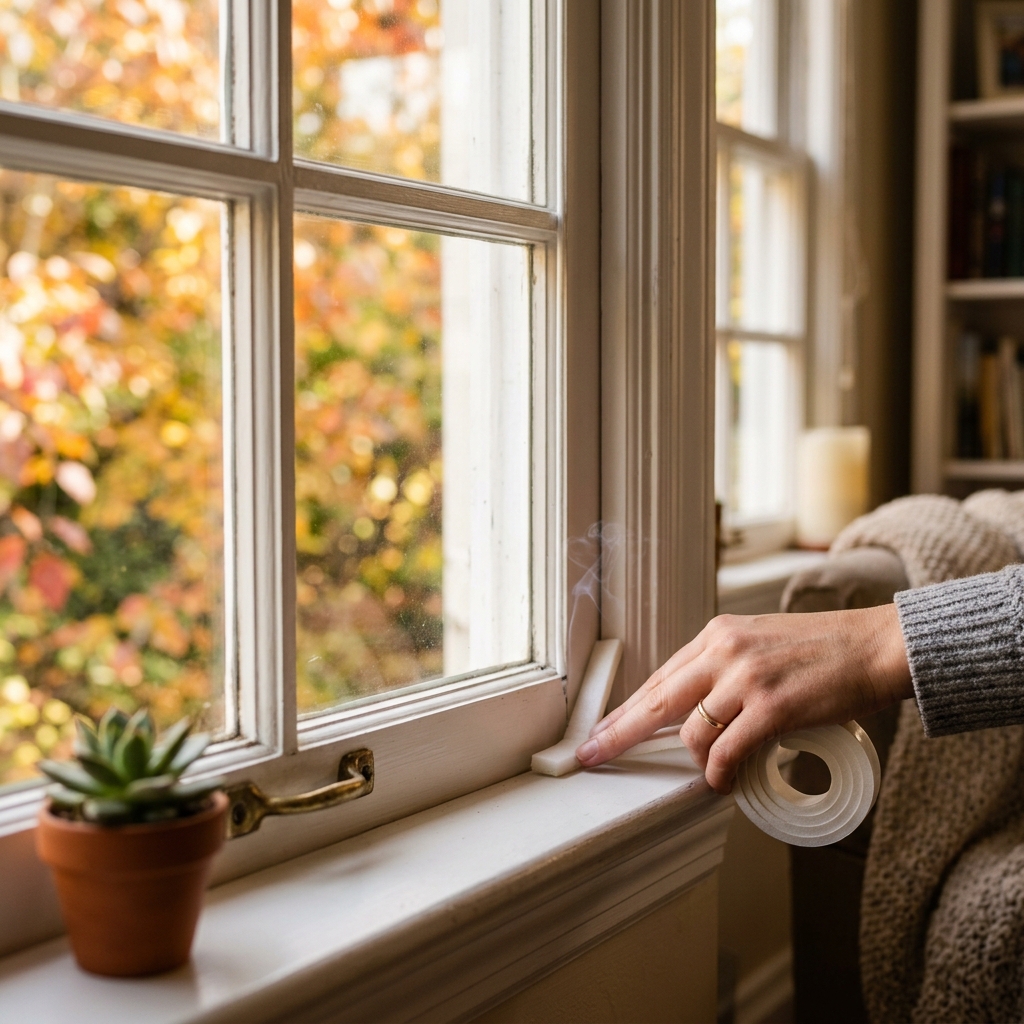
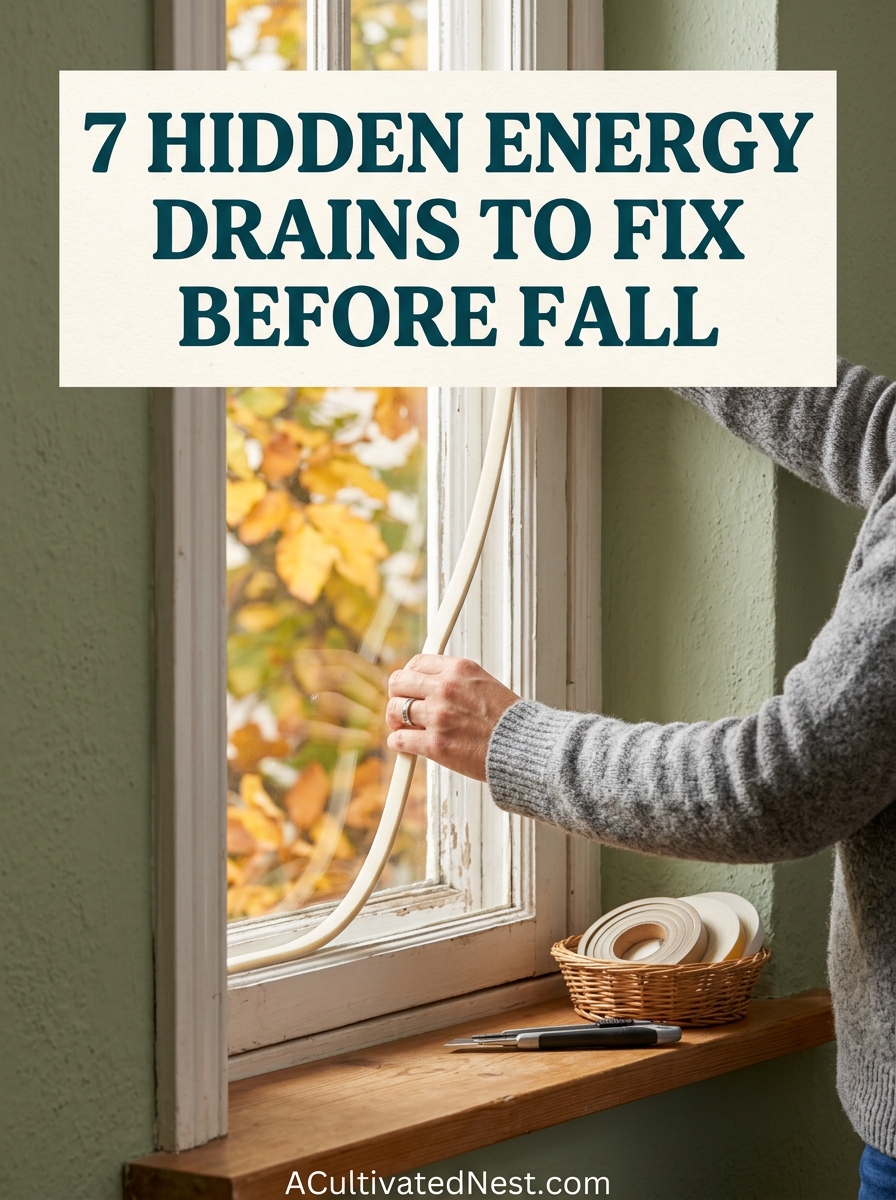
Window glass often gets the blame for chilly rooms, but the actual frames and door perimeters are frequently the bigger culprits. Over time, original weatherstripping compresses, cracks, or peels away, leaving thin gaps that allow cold air to seep inside while warm indoor air escapes. On a windy or cool day, pass your hand along the edges of entry doors and window sashes. If you feel a cool breeze, installing fresh adhesive weatherstripping or applying removable rope caulk provides an instant, budget-friendly barrier that prevents heat loss.
2. Insulate Exterior Wall Outlets and Switches
Electrical boxes mounted on exterior walls create direct penetrations through your home’s insulation layer. Because electrical cutouts lack backing insulation, cold air travels down cavity walls and drafts straight into your living space through the outlet faceplates. Removing the outer cover plates and placing pre-cut foam outlet gaskets underneath creates a tight seal. Finishing with childproof safety plugs in unused receptacles further blocks stray airflow, making this one of the cheapest high-impact weatherization hacks available.
3. Replace HVAC Filters and Clear Supply Vents
When heating systems operate with clogged or dust-heavy air filters, the blower motor must work significantly harder to circulate warm air throughout your floor plan. Reduced airflow forces the furnace to run longer cycles, consuming excess energy and increasing mechanical wear. Check your furnace or air handler filter monthly during heavy heating seasons and swap it out promptly. Additionally, walk through each room to ensure area rugs, long curtains, and furniture are not blocking floor or wall supply registers.
4. Reverse Ceiling Fans and Optimize Thermal Air Circulation
Ceiling fans aren’t just for summer cooling; they play a key role in winter heating efficiency as well. Because warm air naturally rises toward the ceiling, living rooms with high or vaulted ceilings often retain heat near the roofline while floor areas stay cool. Locating the small directional switch on your fan housing and setting it to rotate clockwise at low speed creates a gentle updraft. This movement pushes accumulated warm air near the ceiling down along the walls and back into the living space without creating a chilling breeze.
5. Lower Water Heater Temperatures and Add Insulation
Water heating accounts for a significant portion of a household’s annual utility expenditure, yet many water heaters remain set to unnecessarily high factory temperatures. Lowering the thermostat dial on your tank to 120°F provides plenty of hot water for daily showers and dishwashing while drastically cutting standby heat loss. Now, you can go a bit higher if your household contains immunocompromised individuals (and no children younger than 3), but for most families, 120°F is sufficient per the EPA. If your tank resides in an unconditioned basement, garage, or utility closet, wrapping it in an inexpensive fiberglass insulation blanket helps retain heat longer, preventing the heating elements or burners from firing constantly.
6. Inspect Chimney Dampers and Flue Seals
A fireplace adds undeniable cozy charm, but an open or poorly sealed fireplace damper acts like an open window in your living room. Warm air continuously draws up through the chimney stack, creating a vacuum effect that pulls cold outside air into the rest of the house. Always verify that the damper lever closes completely when the fireplace is not actively burning. For non-working or decorative fireplaces, installing a removable inflatable chimney plug or a snug-fitting hearth draft stopper blocks persistent thermal loss completely.
7. Limit Bathroom and Kitchen Exhaust Fan Usage
Bathroom exhaust fans and range hoods serve an important purpose by removing humidity and cooking fumes, but they also pull huge volumes of heated indoor air out of your home. Leaving a bathroom fan running for hours after a shower literally vents your paid heating straight outside, replacing it with cold makeup air drawn through subtle home cracks. Set exhaust fans on short timer switches or turn them off within 20 minutes of finishing a shower to keep your hard-earned warmth inside where it belongs.
What do you do to keep heating costs down during the cooler months?
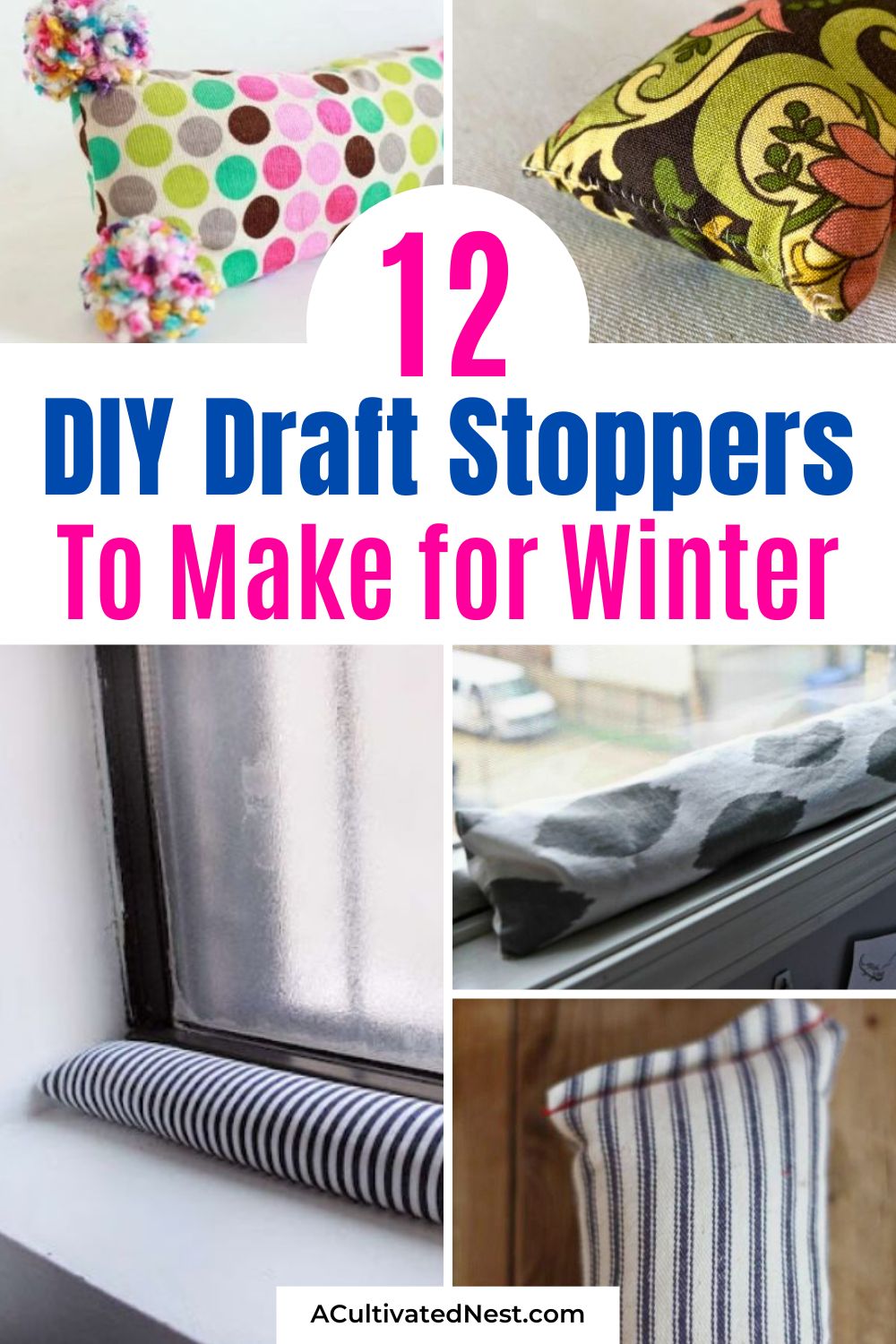
You might also be interested in: 12 DIY Draft Stopper Projects for Cold Windows and Doors