Banish the Egg Inflation with Egg Substitutes.
Let’s be honest: walking down the grocery aisle lately can feel a bit like a reality TV stunt, especially when you hit the dairy and egg case. Whether egg prices are skyrocketing again, you’re sick of buying a 12-pack only to have the last four go bad (because let’s face it, the price per egg on a 6-pack is total highway robbery), or you’re navigating a newly discovered egg allergy in the family, skipping the shells doesn’t mean skipping your favorite meals. Cooking and baking egg-free is actually very easy, and very tasty. Here is How (and Why) to Master Egg-Free Cooking and Baking!
Disclosure: This post may contain affiliate links to Amazon and/or Etsy, which means that I may earn a small commission from some of the links in this post. Please see our Disclosure Page for more information.
Stepping away from eggs is both a dietary pivot and an absolute game-changer for your grocery budget. Eggs used to be the cheap, reliable filler, but mastering a few clever kitchen swaps puts the financial control back in your hands. You can still achieve the perfect rise in your morning muffins, keep your weeknight meatballs from falling apart, and bake up a storm without cracking a single shell. Let’s look at how to keep your wallet fat and your food delicious with the ultimate guide to egg-free cooking!
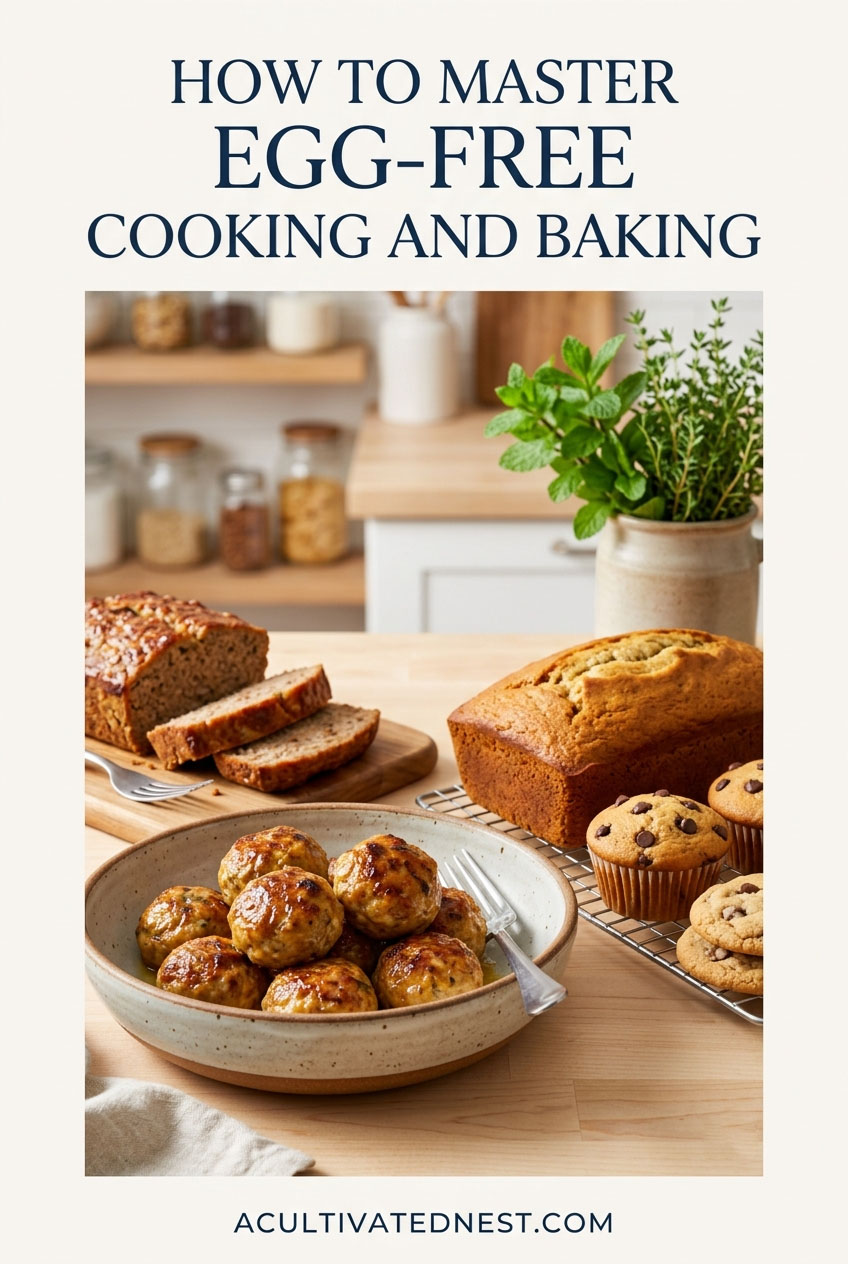
How (and Why) to Master Egg-Free Cooking and Baking
Removing eggs from your ingredient lists is easy if you consider these tips:
- Match the Function to the Swap: Eggs wear a lot of hats in the culinary world. Before picking a substitute, ask yourself what the egg was supposed to do in that specific recipe. Is it acting as a binder to hold things together, a leavening agent to help things rise, or a source of moisture?
- Keep Your Scraps: Don’t throw away the liquid from your next can of chickpeas (called aquafaba)! Whipped up with a hand mixer or blender, this seemingly useless starchy water mimics egg whites perfectly and makes a phenomenal, completely free binder or meringue base.
- Invest in Pantry Staples: Stock up on items like cornstarch, ground flaxseed, and baking soda. Buying these in bulk costs pennies per serving, they keep for months in your cupboard, and they ensure you’re always ready to bake on a whim without running to the store.
- Watch Your Textures: Egg substitutes can sometimes make baked goods a bit denser than normal. When substituting, avoid over-mixing your batters, as this develops excess gluten and can turn a budget-friendly treat into a heavy brick.
Here are the ultimate egg substitutes for every meal:
1. The Greek Yogurt Panade (Best for Savory Comfort Foods)
If you’re making meatballs, meatloaf, or homemade veggie burgers, you need something sticky to keep your dinner from crumbling into a pile of loose ground meat in the pan. My absolute favorite budget hack is a quick panade made from Greek yogurt mixed with either breadcrumbs or ground oats. The yogurt adds a rich, subtle tang and incredible moisture, while the starches soak up the liquid to lock everything in place. Use about 1/4 cup of Greek yogurt mixed with 1/4 cup of breadcrumbs or ground oats to replace one egg.
2. Applesauce (Best for Quick Breads and Muffins)
For sweet, dense baked goods like banana bread, zucchini muffins, or soft-baked cookies, a jar of unsweetened applesauce is your best friend. It provides the essential moisture and natural fats that keep your baked goods from drying out in the oven. Swap out one egg for 1/4 cup of applesauce. Bonus tip: because applesauce adds its own natural sweetness, you can often trim back a tablespoon or two of sugar from the recipe to save even more cash.
3. Cornstarch Slurry (Best for Sauces, Fillings, and Breads)
When a recipe calls for an egg simply to thicken a custard, smooth out a sauce, or bind a light batter, look no further than your trusty box of cornstarch. Whisking 1 tablespoon of cornstarch into 2 tablespoons of cold water creates a smooth slurry that mimics the binding property of a whole egg without altering the flavor profile of your dish. It’s incredibly shelf-stable and costs just a fraction of a cent per use.
4. The Flax or Chia “Egg” (Best for Whole-Grain Baking and Pancakes)
If you need an egg replacement that offers a bit of structure and a nutty flavor, ground flaxseeds or chia seeds are a fantastic option. Mix 1 tablespoon of ground flax or chia seeds with 3 tablespoons of warm water, stir it up, and let it sit for about five minutes. It will gelatinize into a texture strikingly similar to a raw egg. This is perfect for pancakes, waffles, oatmeal cookies, and hearty whole-grain breads.
5. Vinegar and Baking Soda (Best for Fluffy Cakes and Cupcakes)
Ever wonder how to get a light, airy crumb in a cake without using eggs to trap air? Science to the rescue! Whisking 1 teaspoon of baking soda with 1 tablespoon of white or apple cider vinegar right into your wet ingredients creates an immediate chemical reaction (you’ll see it fizz!). This traps tiny carbon dioxide bubbles in the batter, giving your vegan or budget-friendly cakes a beautiful, pillowy rise.
Which of these swaps are you going to try in your kitchen first?
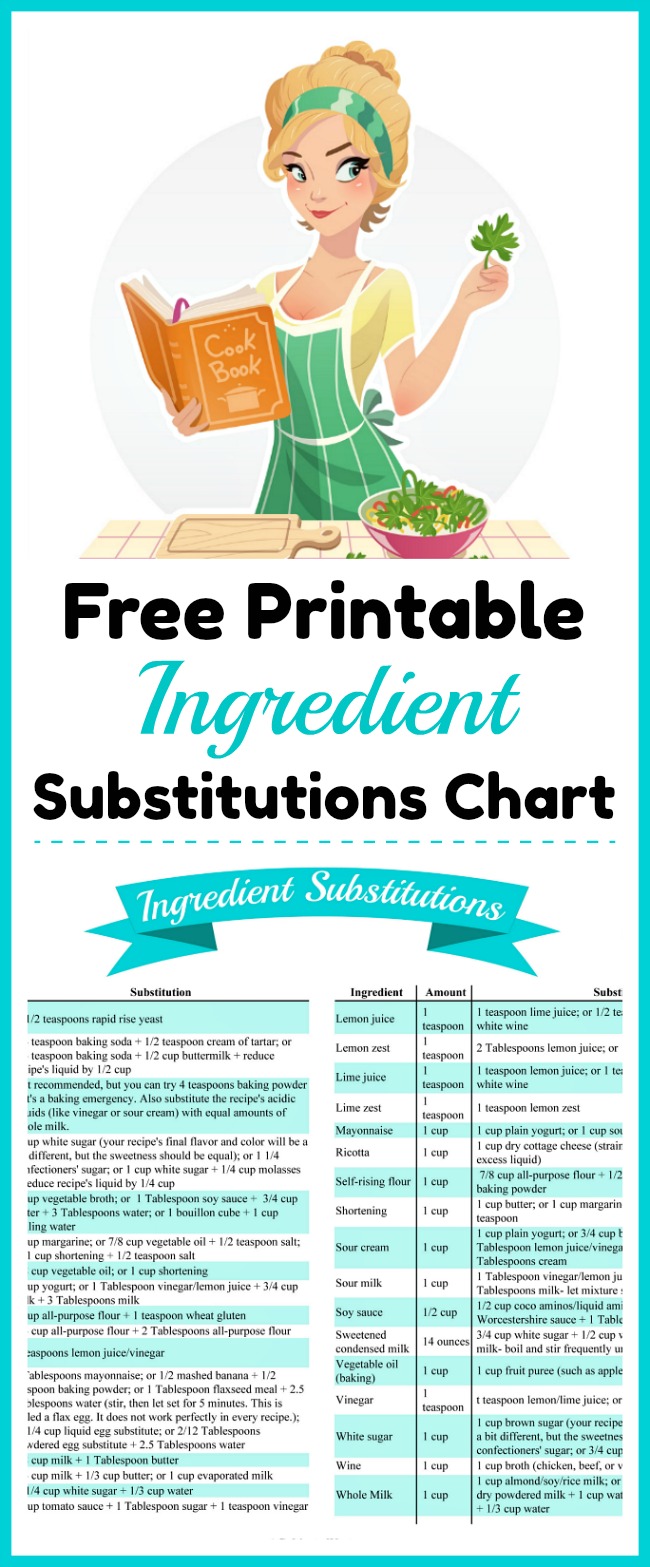
You might also be interested in: Handy Ingredient Substitutions Chart Free Printable