What Herbs to Grow Separately.
Growing your own backyard herb garden is one of the most rewarding ways to elevate your cooking, save money on grocery bills, and add a splash of gorgeous greenery to your outdoor space. There is nothing quite like stepping onto the patio to snip a few sprigs of fresh basil for dinner or grab some fragrant mint for an afternoon drink. However, creating a thriving herb garden takes a little bit of strategic planning. To help you, here are 7 Herbs You Shouldn’t Grow Together!
Disclosure: This post may contain affiliate links to Amazon and/or Etsy, which means that I may earn a small commission from some of the links in this post. Please see our Disclosure Page for more information.
While it is tempting to plant all your favorite herbs side-by-side in one massive garden bed, certain varieties simply do not get along. From aggressive root systems that choke out neighbors to chemical secretions that stunt nearby growth, knowing who to keep apart is the ultimate secret to a bountiful harvest.
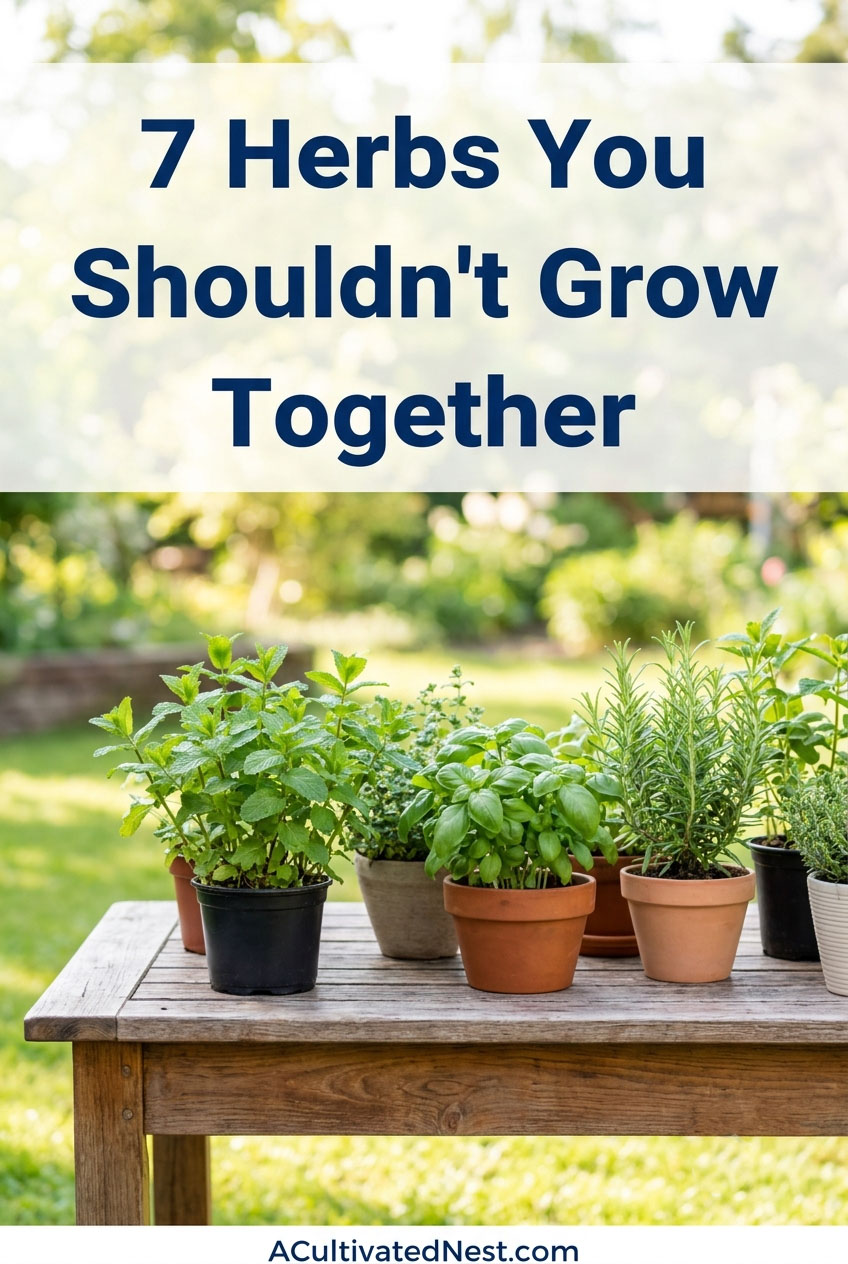
7 Herbs You Shouldn’t Grow Together
- Check the Moisture Needs: Always group herbs with similar watering requirements together. For example, moisture-loving herbs like mint and parsley will quickly rot if planted next to drought-tolerant Mediterranean herbs like rosemary and thyme.
- Give Them Space: Crowded plants are highly susceptible to powdery mildew and pests. Ensure you leave plenty of breathing room between your herbs to promote healthy air circulation.
- Embrace Container Gardening: If you are dealing with aggressive growers or herbs with completely different soil preferences, planting them in individual pots is an easy way to keep them happy and contained.
- Know Your Annuals vs. Perennials: Grouping short-lived annuals (like cilantro and basil) separately from long-term perennials (like sage and rosemary) makes it much easier to replant and refresh your garden beds each spring.
1. Mint
Mint is a fantastic herb to grow and adds an incredible, refreshing flavor to summer drinks and fresh dishes. However, the root systems of this plant are notoriously aggressive and invasive. If you don’t contain them, they will spread through your garden beds like a weed, choking out everything in their path. To prevent a total garden takeover, it is always best to plant mint in its own isolated container or in a dedicated area of your yard where it can spread freely without overtaking other plants.
What to avoid planting near mint: Chamomile and parsley.
2. Sage
Another popular staple for any home herb garden is sage. It is incredibly delicious, fragrant, and easy to grow, making it a perfect choice even for complete beginners. While sage is generally a friendly neighbor and grows beautifully with many other Mediterranean herbs like rosemary, it has a few specific rivalries in the garden that can stunt its development.
What to avoid planting near sage: Dill.
3. Fennel
A lot of gardeners love to grow fennel because both its feathery leaves and crunchy seeds can be used to add a distinct flavor to fish, salads, breads, stews, and teas. Plus, its tall, wispy fronds make a lovely backdrop for your garden landscape. The major problem with fennel, however, is that it is a notorious loner. It actively dislikes almost every other plant, and herbs placed too close to it will fail to grow well or produce a good flavor.
What to avoid planting near fennel: Peppers, wormwood, dill, anise, and parsley.
4. Dill
Dill is another highly beginner-friendly annual herb that makes a wonderful addition to home soups, stews, and pickles. Even better, its beautiful yellow flowers are fantastic for attracting highly beneficial insects to your yard, such as predatory wasps and ladybugs. However, dill can seriously inhibit the growth of certain garden staples and can negatively impact both the flavor and health of neighboring herbs.
What to avoid planting near dill: Tomatoes, carrots, and thyme.
5. Rue
Rue is a beautiful, classic plant found in many traditional herb gardens today. It boasts a rich history in folk medicine and its unique blue-green foliage makes a lovely contrast in almost any plant arrangement. Despite its charm, rue produces compounds that can severely inhibit the growth of nearby plants, making it a poor choice for a crowded shared garden bed.
What to avoid planting near rue: Basil and sage.
6. Anise
If you love bold, distinct flavors, anise is a must-have. It is a fundamental staple in Southern European, Asian, and Mediterranean dishes. Growing this herb provides you with a steady, reliable source of sweet seeds that you can harvest for baking, curries, soups, and flavoring home drinks. Just be careful where you map out its spot, as this naturally sweet herb strongly clashes with certain neighbors, ruining their flavor and stalling their growth.
What to avoid planting near anise: Dill and rue.
7. Wormwood
Wormwood is a powerfully bitter herb traditionally used to stimulate the digestive system and enhance the body’s natural ability to process food. While it has great medicinal properties, it is one of the most toxic plants you can introduce to a shared garden bed. Wormwood contains large amounts of a chemical called absinthin. When it rains, this substance washes off the plant into the surrounding soil, effectively poisoning and stunting the growth of anything planted within its close proximity.
What to avoid planting near wormwood: Fennel and virtually all other delicate garden herbs.
What herbs do you grow in your garden?
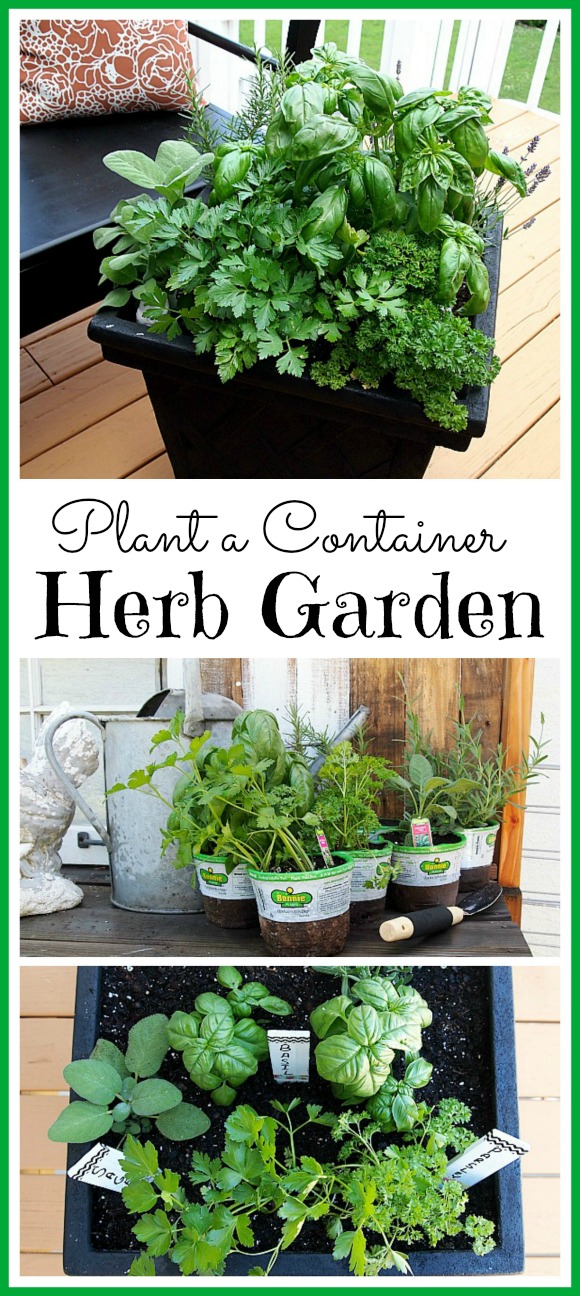
You might also be interested in: Tips For Planting A One Pot Container Herb Garden